Prediction markets, and what the price is actually telling you
A prediction market turns a question into a tradeable contract that pays a fixed amount if the answer is yes, so its price is a probability in cents, and reading it well means knowing what the price includes beyond the forecast itself.
A share that pays $1 if something happens, trading at 37 cents, is the market saying 37 percent. That translation is the whole idea, and almost everything interesting is in the places it breaks.


Start from a working app
OddsBoard
a live visualiser of Polymarket and Kalshi prediction markets, in six views.
Open the template
The price is a probability, in cents
Buy at 37 cents and you make 63 if it happens and lose 37 if it does not. Anyone who thinks the true chance is higher than 37 percent has a reason to buy, and that pressure is what moves the price toward where the weight of money sits. It is why these markets are quoted the way they are: the number arrives already in the units you wanted, which no poll and no pundit gives you.
What the price includes that a forecast does not
Money is locked up until the question resolves, so a market months from settling has to pay for that wait, and prices on long-dated questions drift toward the middle for reasons that have nothing to do with the event. Fees come out of the winning side. And a thin book can be moved by one person with a few thousand dollars. Read a price as a forecast, plus the cost of being early, plus whoever happened to be trading.
Why the same question trades at two prices on two venues
Because the contracts are not identical even when the questions look it. Resolution wording differs, settlement dates differ by hours, and the two books hold different people. A gap of a cent or two is usually the spread and the cost of moving money between venues. A gap of ten cents is either a real disagreement about the wording or an opportunity somebody has already looked at and declined, and reading the resolution criteria is how you tell which.
Resolution is the part that bites
The contract does not pay out on what happened. It pays out on what the resolution source says happened. Most disputes are about ambiguity nobody noticed when the question was written: a date boundary, a definition, an official announcement that never comes. Before treating a price as a probability, read the criteria and ask which outcome would leave a reasonable person arguing. That is the risk no price can show you.
What they are genuinely good for
Aggregating scattered information into one number that updates continuously and costs something to be wrong about. On heavily traded questions with clean resolution that is hard to beat. On thin questions with fuzzy wording it is a small number of opinions wearing the clothes of a probability, and the two look identical on screen. Volume and the resolution text are what separate them, and neither of those is the price.
If you want to build with this data
The odds are public and keyless, which is unusual for market data of this quality. Polymarket and Kalshi both publish open questions and their prices, so a board reading both is a weekend project rather than a licensing negotiation. The hard parts are not the fetch: they are matching one question across two venues when the wording differs, and deciding what to render when one side does not answer. The live board linked below reads the same feed this page describes.
Live, right now, on this page
| Market | Price | Funding | 24h volume |
|---|---|---|---|
| BTC | $86,364.50 | 0.0013% | $522,866,341 |
| ETH | $2,750.85 | 0.0013% | $301,603,802 |
| SOL | $118.01 | 0.0013% | $94,709,358 |
| HYPE | $96.97 | 0.0013% | $3,938,323 |
Live perpetual markets, read at page load. The prediction odds themselves are on the live board, which reads Polymarket and Kalshi directly. Read at 2026-09-23 02:12 UTC; accurate as of that time and not afterwards.
Start from a working app
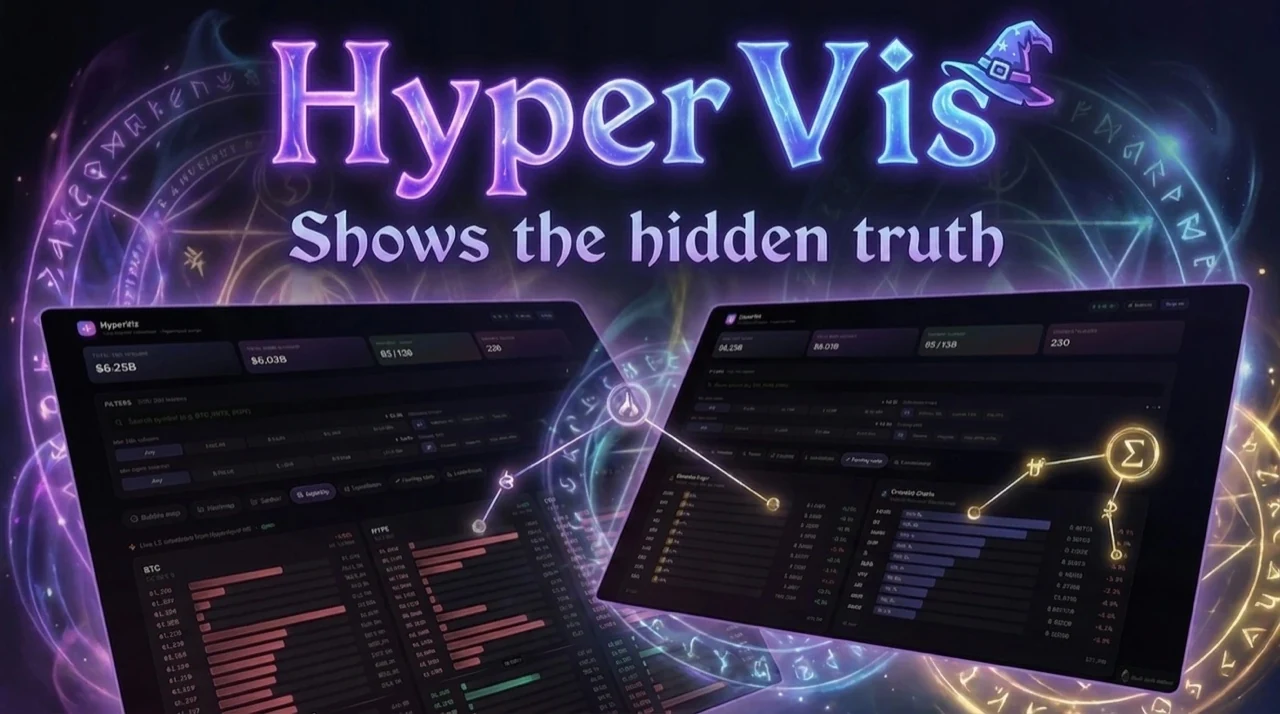
Open, change it, publish your own
HyperViz
seven live views of Hyperliquid markets, from a liquidity heatmap to liquidation zones and a funding radar.
Open the template
Working templates built around what this page covers. Open one, change it, and publish your own.
Common questions
What does a prediction market price mean?
The price in cents is the market's probability. A contract at 37 cents pays a dollar if the event happens, so buying it wins 63 cents and loses 37, and the price sits where the weight of money thinks the odds are. It is a forecast you can trade against rather than one you have to take on trust.
Are prediction markets more accurate than polls?
On heavily traded questions with clean resolution wording they are hard to beat, because being wrong costs money and the number updates continuously. On thin questions they are a handful of opinions dressed as a probability, and the two look identical on screen. Check the volume and the resolution criteria before treating any single price as a forecast.
Why do Polymarket and Kalshi show different odds on the same question?
Because the contracts differ even when the questions read the same: resolution wording, settlement timing, and the people in each book. A cent or two is the spread and the cost of moving money between venues. Ten cents usually means the two questions are not the same question, and the resolution text is where you find that out.
Can I get prediction market odds without an API key?
Yes. Polymarket and Kalshi both publish open questions and prices publicly, which is unusual for market data of this quality. The work is not the fetch, it is matching a question across two venues when the wording differs and deciding what to render when one side does not answer.
See the number itself
Pages that read a live market and show what they read, updated while you look at them.
- Prediction market odds, live, the odds this page explains, live from Polymarket, with the read time on them.
- Funding rate arbitrage, live, a different market whose price is also a number you can act on, read the same way.
Related reading
All guides · Live market pages · Components · Make Mithril a preferred source in Google